
Written by Marcos Campos, Érika Thomaz. Review: Letícia Murase.
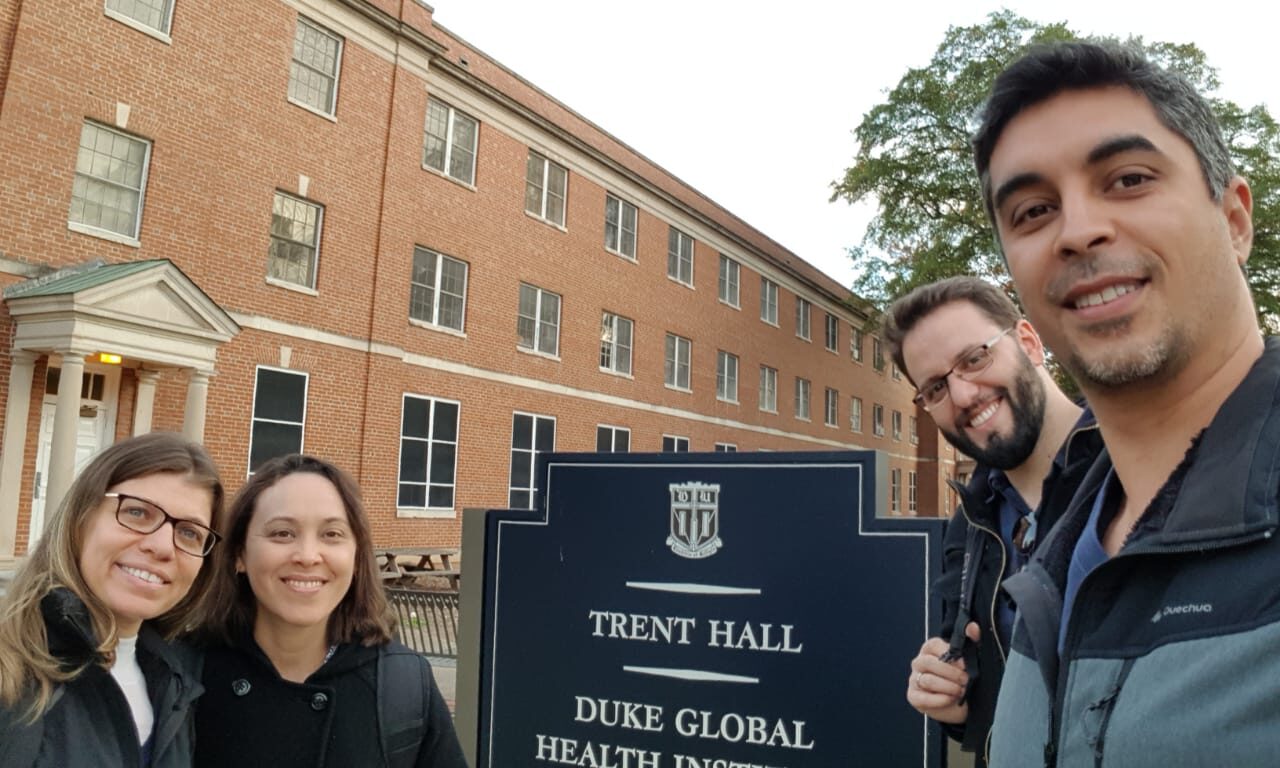
In mid-2015, one of GEMINI’s most enduring collaborations began: a partnership with the Federal University of Maranhão (UFMA, in Portuguese abbreviation). Maranhão, in Brazil’s Northeast, is home to unique natural landscapes and spans an area roughly the size of Italy. Yet the state faces some of the country’s lowest social and health indicators. In this tropical region, where ecosystems range from the Amazon rainforest to Brazil’s semi-arid zones, health needs are diverse. A high burden of infectious and neglected tropical diseases coexists with elevated mortality from noncommunicable conditions and violence, alongside health challenges specific to traditional communities (Indigenous, riverine, and quilombola populations).
Against this backdrop, GEMINI’s co-director, Dr. João Vissoci, began collaborating with UFMA professor Dr. Erika Thomaz. Together with Dr. Thiago Rocha (PAHO/OMS), they worked on Brazil’s National Program for Improving Access and Quality in Primary Care (PMAQ-AB), an initiative designed to enhance the quality of services delivered through primary care by assessing and certifying health teams. The partnership informed public policy proposals submitted to Maranhão’s State Health Secretariat, with a focus on improving access to care in low-resource settings.
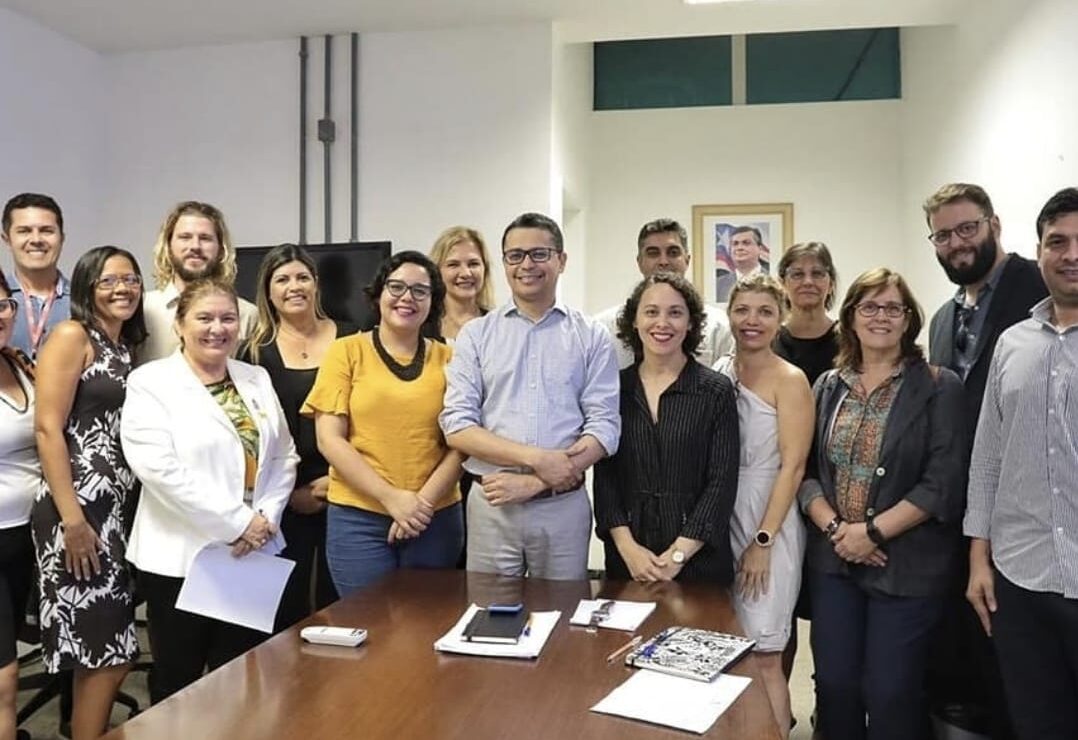
Twice, in 2017 and 2020, UFMA professors Dr. Erika Thomaz and Dr. Rejane Queiroz visited the Duke Global Health Institute (DGHI) at Duke University, where they advanced several joint projects. In 2018, the UFMA-Duke project “Data-Driven Risk Stratification for Preterm Birth in Brazil: Development of a Machine Learning-Based Innovation for Health Care” secured support from the Gates Foundation’s Grand Challenges initiative, expanding collaboration through funding, publications, and tangible impact on maternal and child health in Maranhão. One resulting paper, “Data-driven risk stratification for preterm birth in Brazil: a population-based study to develop a machine learning risk assessment approach”, was published in The Lancet Regional Health Americas. Read the paper here.
This collaboration also led to the creation of the MATH consortium (Methods, Analytics and Technology for Health), dedicated to storing, processing, and analyzing large health datasets to address public health problems, especially in socially vulnerable contexts in Brazil and in Maranhão.
In the years that followed, the Zika virus epidemic posed a new public health challenge. Maranhão was among the Brazilian states most affected. Led by UFMA’s Dr. Antônio Augusto, a large, ongoing cohort study of children with Congenital Zika Syndrome began in 2016. GEMINI partnered on this effort, generating evidence on the spatial distribution of Zika across Brazil and the neurological sequelae observed in affected children. Through this project, UFMA collaborator Dr. Marcos Campos first visited Duke University in 2019 and has continued to work with GEMINI ever since.
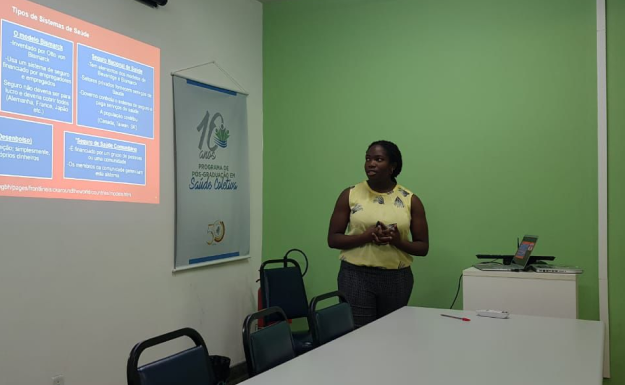
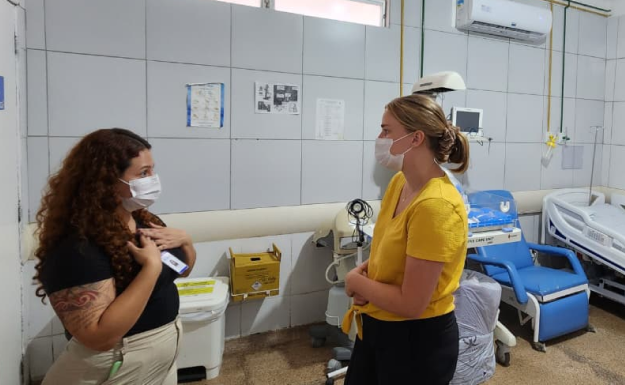
Today, a central focus of the UFMA-GEMINI partnership is on birth cohort studies. UFMA leads two cohorts spanning the life course, from perinatal health through childhood, adolescence, and adulthood. The first follows children born in São Luís in 1997-1998; the second includes more than 5,00 individuals from a representative sample of all births in the city. These cohorts enable investigation of risk factors and health trajectories across the lifespan. Through a project examining how health conditions in the first 1,000 days influence outcomes later in life, GEMINI is developing predictive models for child growth and development. Funded by the Gates Foundation, this work also involves collaboration with Kilimanjaro Christian Medical University College (KCMC) in Tanzania. Another highlight project involves the investigation of alcohol use during pregnancy and adverse perinatal outcomes. With support from Brazil’s National Council for Scientific and Technological Development (CNPq), GEMINI also contributes to predictive modeling for chronic diseases, such as dyslipidemia, hypertension, diabetes mellitus, and dental caries, using cohort data.
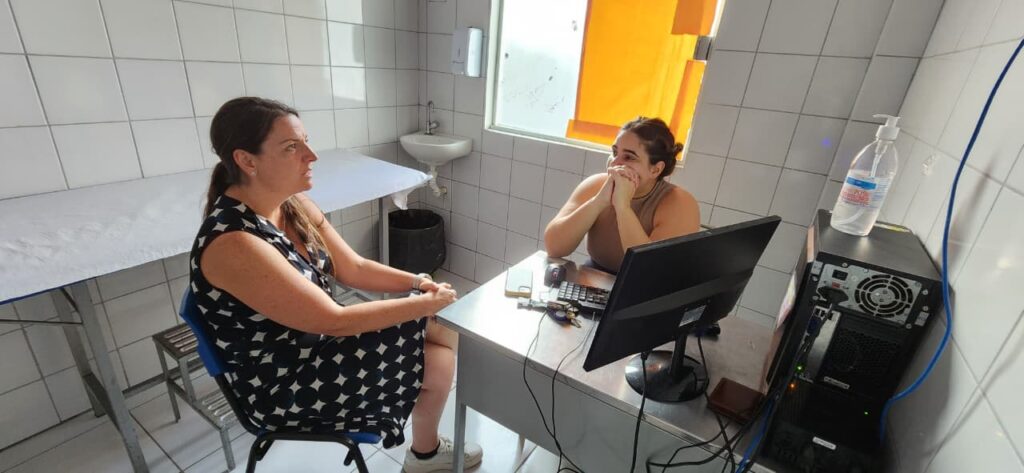
GEMINI further supports the implementation of intelligent, low-cost strategies to allocate emergency services in Maranhão. In 2025, the team is deploying geospatial artificial intelligence (GeoAI) to identify the most strategic sites to expand coverage for acute myocardial infarction (AMI) and ischemic stroke care.
Over the past decade, the UFMA-GEMINI partnership has generated substantial scientific impact in Maranhão and across Brazil, producing high-quality evidence, attracting greater research funding, and advancing methods suited to low-resource contexts. For GEMINI, the collaboration has increased visibility and strengthened its presence in low- and middle-income countries. Researcher exchanges between the two institutions have broadened expertise on both sides and opened the door to new partnerships. In 2026, this collaboration will reach a new horizon, with UFMA delegates visiting KCMC to establish a Brazil–Tanzania partnership built on the same goals.